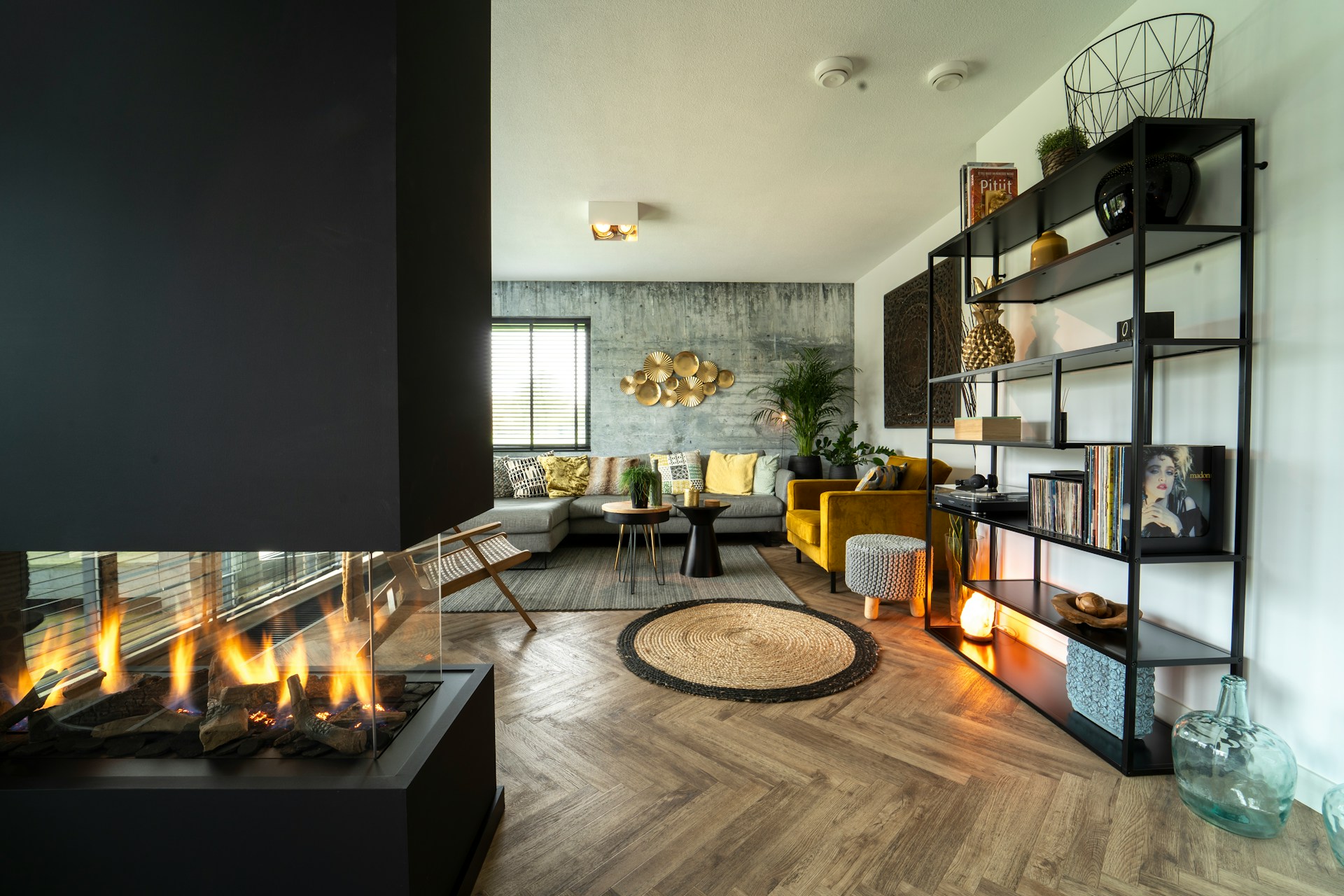
Modern living is rapidly evolving, with new priorities shaping the way we design and experience our homes. As homeowners seek spaces that echo their unique routines and values, the influence of shifting lifestyles on architecture and interior design becomes unmistakable. Whether you crave a tech-savvy living room or a wellness-inspired sanctuary, the growing demand for individualization means working with a knowledgeable custom home builder is more essential than ever.
These changes aren’t just about aesthetics—they reflect a deeper desire for homes that are both versatile and deeply personal. The fusion of technology, sustainability, and self-expression is transforming the concept of “home.” Flexible rooms, biophilic touches, and integrated smart systems are no longer luxuries but expectations in today’s real estate market. Designing a home that meets these modern expectations is a journey shaped by innovation and adaptability.
Home buyers are embracing features that support remote work, family dynamics, and personal wellness. This trend is not just limited to new constructions, but also heavily influences renovations and remodels as homeowners seek to future-proof their investments.
Personalized Spaces
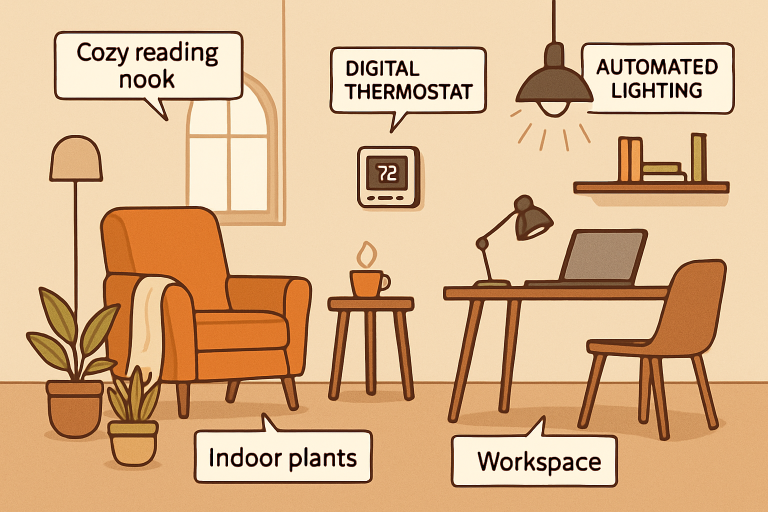
Increasingly, homeowners are opting for interiors that showcase their unique personalities, hobbies, and daily routines. Instead of settling for off-the-shelf solutions, people want spaces tailored to their family structure, workflow, entertainment needs, and even their pet preferences. This drive toward personalization has led designers and builders to focus on open floor concepts, modular furniture, and curated décor. From built-in reading nooks to tech-friendly kitchens and home gyms, each room is designed to support how individuals truly live and unwind.
Smart Home Integration
Technological innovation continues to transform homes, with integrated systems that control lighting, security, climate, and entertainment. Devices powered by voice assistants or managed through mobile apps are now mainstream. These intelligent solutions improve daily life by boosting efficiency, safety, and comfort. Properties with such features often see higher resale values and increased appeal among tech-savvy buyers.
Sustainable Design
Sustainability is a top priority for today’s homeowners who want to minimize their environmental impact without sacrificing style. Home builders are increasingly selecting building materials such as recycled glass, reclaimed wood, and bamboo for their lower environmental footprint. Eco-friendly alternatives, such as low-VOC paints and energy-efficient appliances, are becoming standard in both new builds and remodels. Solar panels and rainwater harvesting systems are extending the green trend beyond interiors. According to Architectural Digest, the rise in green design marks a powerful shift in the market, with buyers prioritizing health, environmental stewardship, and long-term cost savings.
Wellness-Focused Environments
The emphasis on health and wellness continues to inspire residential design. Biophilic architecture, wellness kitchens, home spas, meditation areas, and fitness rooms are increasingly popular. Features that improve natural light, air quality, and acoustic comfort are now high on homeowners’ wish lists. Interior design trends in 2025 and beyond are incorporating enhanced air filtration systems, circadian lighting, and smart water purification technology, all designed to promote physical and mental well-being.
Multifunctional Areas
Remote work and hybrid schedules have reshaped our use of home spaces. The need for home offices, study nooks, and adaptable living rooms has never been greater. Many families now opt for flexible spaces—a guest room that doubles as a Zoom-ready office or a finished basement that seamlessly transitions between an entertainment hub and a fitness studio. Furniture design has also shifted, with modular, movable, and convertible pieces enabling quick reconfiguration as household needs change.
Biophilic Elements
Homes that encourage connections with nature are in high demand. Biophilic design, which brings the outdoors in, uses live plants, green walls, natural wood, water features, and maximized daylighting. These elements are shown to reduce stress, increase productivity, and enhance mood. Indoor gardens and pocket courtyards are favorite choices for adding nurturing, organic energy to living environments, making every day feel a bit closer to the natural world.
Flexible Layouts
Homeowners want the freedom to adapt their living spaces as needs and lifestyles change. Open floor plans that allow for zone creation, sliding doors, movable walls, and multipurpose rooms enable greater agility. This adaptability is especially important for families with evolving requirements—whether it’s accommodating aging relatives, new pets, or remote-learning children. Flexible layouts provide real estate longevity by making homes fit for any phase of life.
Final Thoughts
As our lifestyles evolve and diversify, home design trends are keeping pace by integrating technology, sustainability, wellness, and functionality at every turn. Today’s homes aren’t just a backdrop for life; they’re active participants in our comfort, health, and happiness. By partnering with skilled custom builders and embracing innovative design, homeowners can create lovable, future-proof environments that are uniquely suited to their individual journeys.