Key Takeaways
- STEM education develops critical thinking, problem-solving, and creative skills necessary for future innovation.
- Early exposure to STEM subjects builds curiosity and motivation to learn about science and technology.
- Emerging technologies like AI are transforming STEM curricula but require investments in resources and teacher training.
- Overcoming disparities in access and supporting educators are key to equitable STEM education for all students.
Science, Technology, Engineering, and Mathematics (STEM) education has emerged as a driving force in preparing the next generation for a rapidly evolving world. By equipping students with essential problem-solving skills and encouraging innovative thinking, STEM education lays the groundwork for developing adaptable leaders and creators. This hands-on approach means that learning extends far beyond textbooks, offering practical exploration and real-life applications. Opportunities such as pursuing a children education franchise also highlight how crucial early and continued access to STEM learning is for both students and communities.
With curiosity at its heart, STEM education inspires young minds while connecting them to the technologies and challenges that define our future. The integration of disciplines, from artificial intelligence to engineering design, means students not only gain subject expertise but also learn to approach challenges with creativity and confidence. This focus helps them become the innovators and leaders society will depend on.
Fostering Critical Thinking and Problem-Solving Skills
Inquiry-based learning is at the core of STEM education. Encouraging students to ask questions, examine data, and explore hypotheses deepens their understanding of complex ideas. This process not only helps students master STEM content but also hones their logical thinking, adaptability, and creative problem-solving skills. Research shows that such learning models make students better at analyzing information and adapting strategies when confronted with new or ambiguous problems. These abilities are essential, as emphasized by resources like the Edutopia STEM Teaching Tools, for navigating both academic pursuits and the modern workforce.
Early Exposure Ignites Curiosity
Introducing STEM concepts during early childhood unlocks natural curiosity. As children question the world around them, structured STEM activities guide this inquisitiveness, offering hands-on engagement through experiments and design challenges. These positive early experiences can lead to long-term motivation and inspiration to pursue STEM careers. A recent study featured in Education Week highlighted the benefits of early STEM exposure, revealing the lasting impact of nurturing scientific thinking from a young age.
Integrating AI and Emerging Technologies
Technological innovation in fields such as artificial intelligence continues to reshape the world. STEM education must evolve accordingly. Surveys indicate that a vast majority of educators see the importance of AI in curricula, yet many lack adequate training and tools to integrate these technologies into classroom activities. Solving this dilemma requires investment in both teacher development and classroom resources so students have meaningful opportunities to work with the technologies shaping society. Improving access ensures that all students, regardless of background, benefit from these advancements.
Addressing Challenges in STEM Education
Despite its benefits, STEM education faces persistent challenges. Educational inequities, such as disparities in school funding, can prevent many students from accessing high-quality STEM instruction and resources. Furthermore, teachers often need more professional development and support to teach these rapidly changing subjects effectively. Addressing these gaps is crucial to preparing a diverse, STEM-ready workforce. Programs and policy initiatives that prioritize teacher training and equitable access can drive broader participation and success in STEM fields.
Real-World Applications and Hands-On Learning
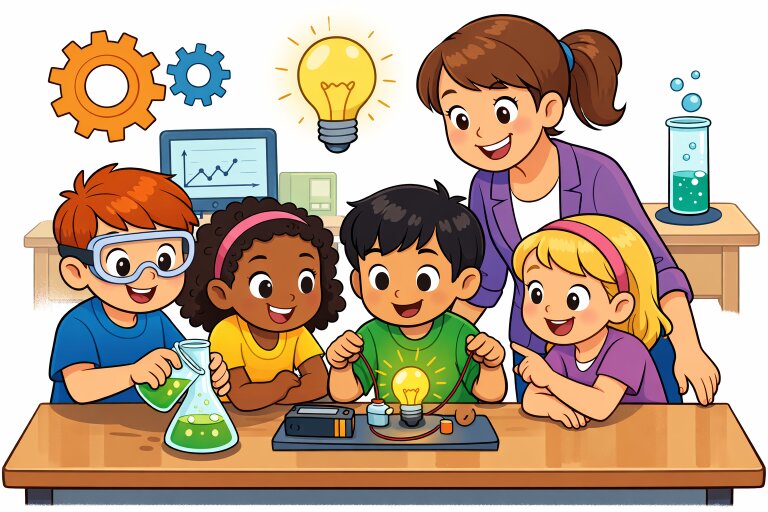
STEM learning is most impactful when tied to real-world challenges. Designing sustainable energy solutions or developing applications to address community needs connects theory to practice. Such problem-based learning not only makes education more engaging but also equips students with skills readily transferable to future careers and everyday life. For example, recent partnership projects highlighted by NPR demonstrate the value of hands-on STEM experiences in inspiring the next generation of innovators, especially among underrepresented groups.
Collaboration Across Disciplines
Blending STEM with fields such as the arts or humanities fosters comprehensive education. This interdisciplinary approach encourages students to think across boundaries and find creative solutions. By bridging technical knowledge with imagination, learners are empowered to tackle complex challenges such as designing smart cities or creating immersive digital art. This spirit of collaboration prepares young people to excel in fields where diverse skills and teamwork are in high demand.
Preparing for a Technological Future
The rapid evolution of technology ensures that STEM expertise will only become more valuable. By laying a solid foundation in science, math, technology, and engineering, students are better positioned to adapt to technological change and pursue careers at the forefront of innovation. As noted in publications such as U.S. News & World Report, the critical need for STEM professionals will continue to grow, making early and sustained investment in STEM education essential for both individuals and society.
Conclusion
STEM education is fundamental in shaping innovative minds for tomorrow’s world. Early engagement, robust teacher support, and broad access to emerging technologies ensure that all students can realize their potential as future leaders and problem-solvers. Investing in STEM education today opens the door to a brighter, more dynamic future for individuals and communities alike.