Key Takeaways:
- Cognitive Behavioral Therapy (CBT) offers practical strategies to manage daily stressors and enhance mental health.
- Techniques such as cognitive restructuring, behavioral activation, and mindfulness can be integrated into daily routines.
- Research supports the effectiveness of CBT in improving emotional regulation and reducing symptoms of anxiety and depression.
Understanding Cognitive Behavioral Therapy
Cognitive Behavioral Therapy (CBT) is a widely practiced, evidence-based approach to psychotherapy designed to help individuals understand the links between thoughts, emotions, and behaviors. CBT empowers people to recognize and challenge negative thinking patterns, replacing them with healthier perspectives that foster well-being. When adopted in daily routines, techniques from cognitive behavioral therapy San Diego programs, and similar resources, can help individuals feel more in control of their emotional responses and daily experiences.
This form of therapy is structured and goal-oriented, making it suitable for a broad range of mental health concerns, from general anxiety and stress to depression and chronic pain. By focusing on present thoughts and actionable strategies, CBT shifts attention away from ruminating on the past or worrying excessively about the future. Instead, it supports individuals in making small but impactful changes every day.
Adopting CBT does not always require direct clinical intervention. Many reputable guides and sources, such as those provided by the American Psychological Association, can help anyone who wishes to practice evidence-based mental wellness techniques at home.
Daily stressors are an inevitable part of modern life, but with practical CBT techniques, people can build resilience and navigate challenges with greater confidence and mental clarity.
Cognitive Restructuring: Reframing Negative Thoughts
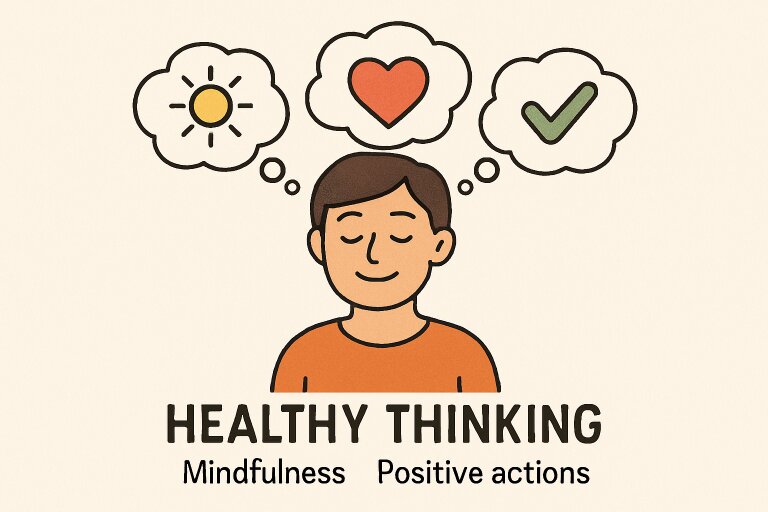
One of the core elements of CBT is cognitive restructuring, which involves identifying and challenging unhelpful or distorted thought patterns. Many individuals experience thoughts that are overly negative, unrealistic, or self-critical. Through cognitive restructuring, you learn to recognize these cognitive distortions, objectively examine the evidence for and against your interpretations, and generate more balanced alternatives. For example, the belief “I always mess up” can shift to “While I have made mistakes, I am learning and improving each day.”
Small shifts in thinking, repeated consistently, can have a remarkable impact on mood and self-esteem. Over time, practicing this reframing fosters a more compassionate and optimistic internal dialogue.
Behavioral Activation: Engaging in Positive Activities
Depression and anxiety often lead to withdrawal from enjoyable or meaningful behaviors, creating a cycle of avoidance that can worsen mood. Behavioral activation encourages reengagement with activities that provide a sense of accomplishment or pleasure, no matter how small. For instance, resuming an old hobby, going for a walk, or even organizing a space at home counts as behavioral activation.
Making a weekly schedule that includes activities you value has been shown to counteract lethargy and build a sense of purpose. Behavioral activation is especially helpful for those feeling stuck or overwhelmed, as it focuses on action rather than overthinking. According to research published by Harvard Health, even simple accomplishments, such as daily self-care routines, can break the cycle of negativity and motivate ongoing participation in life.
Mindfulness Practices: Staying Present
Mindfulness, though not exclusive to CBT, complements cognitive and behavioral techniques by teaching individuals to observe their thoughts and emotions without immediate reaction or judgment. Practicing mindfulness through short meditations, deep breathing, or intentional pauses helps anchor awareness in the present moment. This reduces unhealthy rumination and improves emotional regulation.
Mindfulness can be as simple as focusing on the sensations of breathing or observing nature during a break. Over time, these moments of grounded awareness help lower stress and increase engagement with day-to-day life.
Practical Applications in Daily Life
Integrating CBT techniques into daily life allows individuals to address stress, anxiety, and negative thinking as they arise, without waiting for symptoms to intensify. Here are practical ways to use CBT methods throughout the day:
- Journaling: Keeping a regular journal of thoughts and feelings helps identify recurring patterns, allowing for more effective cognitive restructuring.
- Setting realistic goals: Breaking larger objectives into smaller steps makes tasks less overwhelming and encourages consistent progress.
- Developing coping strategies: Prepare responses and strategies for known triggers to improve resilience when difficulties arise.
Practicing these skills regularly, not just during tough times, strengthens the capacity to manage a wide variety of challenges.
Evidence-Based Benefits of CBT Techniques
Numerous studies highlight the measurable impact of CBT interventions. Research has shown that individuals who adopt CBT strategies experience significant improvements in symptoms of depression, anxiety, and stress-related conditions. According to the National Institute of Mental Health, CBT is also effective for managing insomnia and chronic pain, often reducing the need for medication and supporting lasting behavioral change.
The strength of CBT rests in its adaptability. Whether used alone or as part of a broader care plan, CBT methods are supported by years of clinical evidence and can be tailored to fit diverse lifestyles and needs.
Getting Started with CBT Techniques
Adopting cognitive behavioral techniques begins with self-education and the willingness to consistently practice new skills. Begin by exploring trustworthy online resources, books, or local workshops to understand the basics. Implementing strategies like cognitive restructuring or mindfulness does not require perfection, small, regular efforts build confidence and lead to lasting change.
- Educate Yourself: Access reputable materials and learn the foundational principles of CBT.
- Practice Regularly: Incorporate one or two CBT techniques into your routine to start, gradually adding more as confidence builds.
- Seek Professional Guidance: If needed, work with a trained therapist to personalize your CBT approach, ensuring it aligns with your specific needs and goals.
Consistent application of these strategies lays a solid foundation for resilient mental health.
Final Thoughts
Cognitive behavioral techniques offer practical strategies to manage stress, improve emotional balance, and boost everyday well-being. By understanding and using methods like cognitive restructuring, behavioral activation, and mindfulness, individuals can face life’s challenges with greater confidence and positivity. These skills, grounded in research and easily integrated into daily routines, help foster a more fulfilling and resilient approach to mental health.