Table of Contents
- Kitchen Upgrades
- Bathroom Renovations
- Outdoor Living Spaces
- Sustainable Materials
- Smart Home Integration
- Multi-Functional Spaces
- Aging-in-Place Designs
- Personalized Aesthetics
Homeowners are investing more in their living spaces, prioritizing both style and practicality. This approach is driving significant changes in how homes are renovated today. The latest renovations trends for 2026 showcase a blend of sophistication, eco-conscious choices, and the desire for highly personalized designs.
From reimagined kitchens to smarter homes, these trends reflect not only aesthetic goals but also a focus on functionality, well-being, and sustainability for the future. Whether you are planning to update a single room or tackle a full-house makeover, understanding these trends can help you make decisions that bring value and comfort to your home.
For individuals considering broader updates, options such as remodeling can offer comprehensive solutions that address changing family needs and evolving design styles in a single seamless project.
Kitchen Upgrades
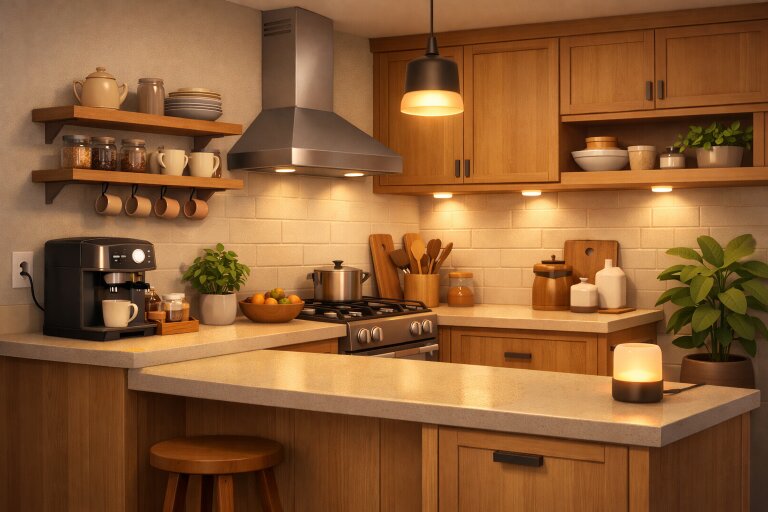
The heart of the home continues to lead in renovation priorities. In 2026, kitchens will feature warm, natural finishes, such as walnut cabinetry, for a refined, welcoming ambiance. Earth-inspired color palettes, including ocher, mustard, and olive green, are being chosen for both decor and cabinetry, creating cozy and inviting cooking environments.
Another prominent feature is the use of high-quality natural materials such as stone countertops and backsplashes. These upgrades not only add luxury but also enhance durability and ease of maintenance, appealing to busy families and avid entertainers. Open shelving, smart storage solutions, and dedicated coffee nooks are also in high demand. For inspiration, visit Architectural Digest’s kitchen trends page.
Bathroom Renovations
Bathrooms in 2026 are evolving into serene personal retreats. Aesthetic touches like green marble, textured stone accent walls, and larger walk-in showers are at the forefront. Many homeowners are inspired by European designs, choosing patterned tiles and bold statement lighting to create a spa-like experience at home.
Upgraded bathroom technology, such as digital showers, heated floors, and smart mirrors, further enhance convenience and comfort. Improving natural light, whether through larger windows or skylights, is another trend that brings tranquility and boosts well-being.
Outdoor Living Spaces
Recent years have put outdoor spaces in the spotlight. Patios, decks, and covered porches are designed to blend seamlessly with indoor areas. Features such as outdoor kitchens, fire pits, and weatherproof furnishings ensure year-round use and enjoyment.
Creating these spaces goes beyond style. It is also about maximizing relaxation and connecting more deeply to nature, which has proven mental health benefits. Homeowners are planting more native vegetation and installing low-water-use landscaping to create lush yet sustainable yards. Tips for optimizing outdoor spaces can be found on Houzz’s Outdoor Living section.
Sustainable Materials
Eco-conscious features are now standard in most modern renovations. Reclaimed wood and recycled metal are popular choices for everything from flooring to accent walls, merging style with environmental responsibility. Homeowners are also selecting energy-efficient appliances, windows, and insulation to reduce ongoing utility costs and lower their carbon footprint.
Some are exploring innovative materials like bamboo, cork, and terrazzo, which offer durability and visual interest while remaining environmentally friendly. These sustainable choices reflect a long-term commitment to both quality and environmental well-being.
Smart Home Integration
New technology is revolutionizing how we live and interact with our homes. Smart lighting, automated thermostats, and integrated security systems offer unprecedented convenience and peace of mind. Voice-activated assistants and interconnected home ecosystems are increasingly common, helping to personalize and streamline daily routines.
For families, smart appliances can adjust to changing needs and use energy more efficiently. This integration not only adds luxury but also boosts a home’s long-term value.
Multi-Functional Spaces
The rise of remote work and flexible lifestyles has made versatile spaces essential. Home designs are increasingly incorporating areas that serve dual functions, like home offices that double as guest rooms or living spaces that easily convert for kids’ play or workouts.
Clever built-ins, sliding doors, and modular furniture enable rooms to change purpose throughout the day. This adaptability ensures the home is not only attractive but also meets practical modern needs.
Aging-in-Place Designs
Future-proofing homes is another top priority. More homeowners are adding features that allow them to live independently longer, such as wider doorways, step-free entries, and accessible bathrooms with grab bars and curbless showers.
Thoughtful lighting, lever door handles, and adjustable-height counters are additional features that make aging in place more comfortable and safe. These changes also increase a home’s potential resale value as demographic shifts create greater demand for accessible housing.
Personalized Aesthetics
Finally, today’s renovations are distinctly personal. Homeowners are breaking away from one-size-fits-all styles in favor of creative solutions that reflect their unique tastes and lifestyles. This may include custom-built features, bold paint choices, or family-inspired memorabilia showcased as art.
This trend ensures that homes are more than just functional. They become a true extension of the families who live in them, offering comfort and self-expression in equal measure. For more on customizing your home’s interior, check out The New York Times home decor ideas.
The renovation trends of 2026 highlight a shift toward homes that support sustainable living, prioritize smart and flexible use of space, and celebrate individuality. These changes are shaping the future of home design, making homes more resilient, comfortable, and meaningful than ever before.